How Cuban Cuisine Reflects the Country’s Rich Culture
Cuban cuisine is a delicious mosaic of the island’s diverse cultural past. Every bite tells a story, not just of ingredients and techniques, but of migration, colonization, resilience, and identity.
As the heart of Caribbean culinary fusion, Cuban food is a gateway into the country’s historical journey. From the cassava fields of the indigenous Taíno to the rice-and-beans legacy of Spanish colonialism, and from African frying traditions to Chinese cooking innovations, Cuban cuisine is a flavorful testament to its people’s endurance and creativity.
At La Capital de los Jugos, we honor these traditions through every dish served—bridging the past and present with authentic flavors and soulful cooking.
Cuban cuisine begins with its native soil. Before colonization, the island’s indigenous Taíno people lived in harmony with the land, cultivating staples that remain foundational in Cuban kitchens today.
When the Spanish arrived in the 15th century, they introduced new agricultural practices and ingredients that merged with local traditions.
This fusion created a resilient culinary identity capable of adapting over centuries.
From the earthy roots of yuca to the savory richness found in Spanish-influenced dishes like lechón asado and arroz con pollo, Cuban food reflects a journey of flavor, culture, and resilience.

Indigenous Taíno Foundations: Yuca, Corn, and Cassava
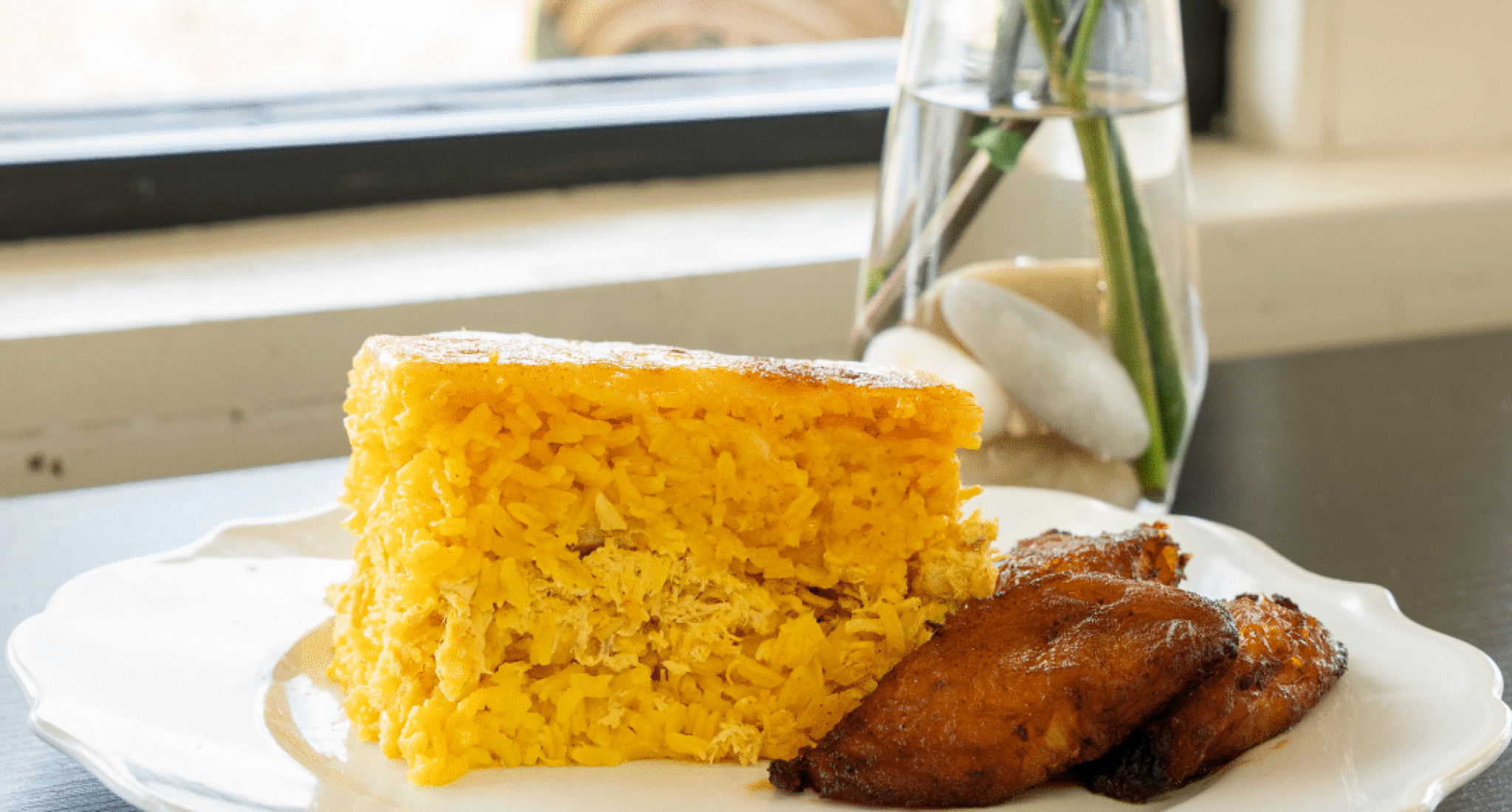
Long before colonization, the Taíno people thrived across Cuba. They cultivated staple ingredients like yuca (cassava), maize (corn), and sweet potatoes—foods that still play a vital role today. Dishes like yuca con mojo, a menu favorite at La Capital de Los Jugos, pay tribute to these indigenous roots, prepared with a garlic-citrus sauce that blends tradition and modern taste.
The Taíno also pioneered “barbacoa,” an early form of slow-cooked meat over fire—an influence that lives on in carne asada and pollo a la plancha, prepared with bold seasoning and flame-grilled technique.
Spanish Colonial Impact: Pork, Rice, and Citrus
The arrival of the Spanish brought rice, pork, citrus fruits, onions, garlic, and olive oil—all of which transformed Cuban cuisine. These ingredients became staples in dishes like arroz imperial, ropa vieja, and fricase de pollo, each showcasing a flavorful union of European and Caribbean traditions.
Lechón asado, slow-roasted pork marinated with citrus and garlic, is a star dish on the menu and a direct descendant of Spanish culinary influence. The use of citrus marinades, such as in chuletas de puerco, highlights the legacy of Mediterranean flavors reinterpreted with a Cuban twist.
Enduring Legacy on the Plate
From tostones (fried green plantains) and tamales to vaca frita and congri (black beans and rice), today’s Cuban menu is a living testament to the island’s diverse culinary roots. Even drinks like guarapo (fresh sugarcane juice) and batidos (fruit milkshakes) reflect the blending of native ingredients with evolving tastes.
Cuban cuisine continues to be a story told through food—where every plate serves as a connection to indigenous traditions, colonial adaptations, and the vibrant spirit of a people who turned every hardship into flavor.
African, Caribbean & Chinese Influences on Cuban Cuisine
Cuban food is a flavorful tapestry woven from African, Caribbean, and Chinese culinary traditions. These diverse cultural contributions brought new ingredients, cooking techniques, and bold seasonings that continue to define the island’s signature dishes.
From plátano maduro frito and mariquitas de plátano to arroz frito and lechón asado, these multicultural influences are proudly represented in everyday Cuban meals.
African Contributions: Plantains, Mojo, and Frying Techniques
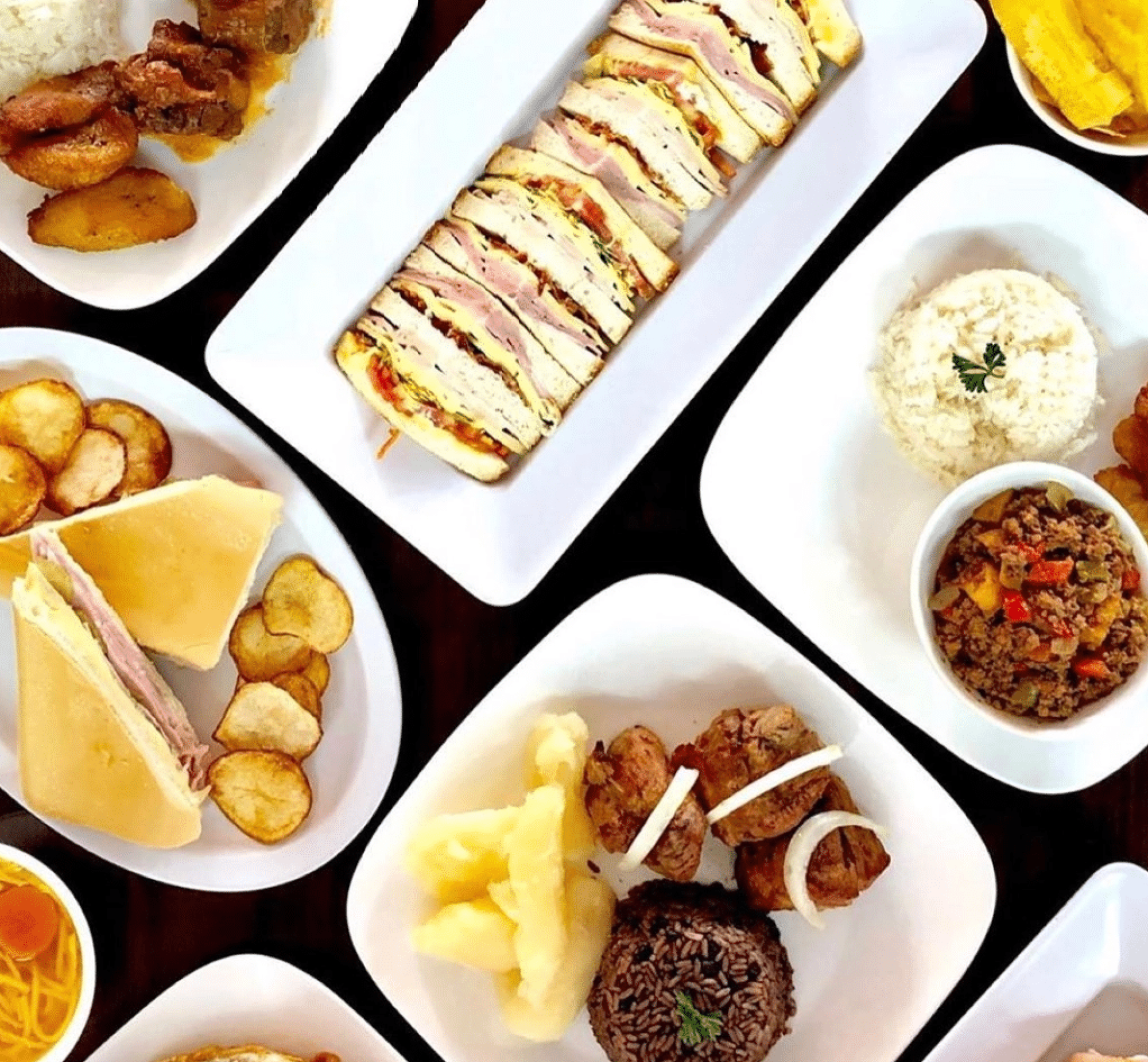
The African influence on Cuban cuisine is profound. Enslaved Africans introduced key ingredients like plantains and cooking styles such as deep-frying and heavy seasoning. Today, beloved side dishes like plátano maduro frito (fried ripe plantains) and mariquitas de plátano (crispy plantain chips) showcase this heritage.
Dishes like yuca con mojo—cassava served with garlic-citrus sauce—carry on the tradition of vibrant, flavorful preparations. Even masa de cerdo asada (roasted pork chunks) highlights African-influenced seasoning and preparation techniques.
Caribbean Integration: Regional Flavors and Shared Techniques
As part of the Caribbean, Cuba shares a culinary language with its neighbors. Ingredients like citrus, black beans, rice, and tropical fruits are foundational across the region. Cooking methods such as slow stewing, braising, and citrus marinating are common throughout Caribbean kitchens.
Cuban dishes such as arroz congris (rice with black beans), frijoles negros (black beans), and fricasé de pollo (chicken fricassee) reflect these shared traditions. Refreshing drinks like guarapo (fresh sugarcane juice) and fruit-based batidos (milkshakes) continue the tropical legacy in liquid form.
Chinese Migration and Cooking Techniques: Arroz Frito & Caja China
Chinese immigrants brought transformative cooking styles to Cuba in the 19th century. Stir-frying, rice-focused meals, and soy-based seasoning left a lasting mark. One of the most popular results of this fusion is arroz frito (Cuban fried rice), typically made with pork, ham, vegetables, and egg.
Another enduring symbol is the caja china, a roasting box used to prepare the iconic lechón asado (whole roast pig). Though its name hints at Chinese origins, the technique has been fully embraced by Cuban culture and is a staple of celebratory feasts.
A Culinary Mosaic
Cuban cuisine today is a flavorful blend of its global roots. Menu staples like croquetas de la casa, tamales, ropa vieja, vaca frita, and arroz imperial tell stories of migration, adaptation, and cultural pride.
To finish a meal, traditional Cuban desserts such as tres leches, arroz con leche, and flan offer sweet comfort, while drinks like jugos naturales, piña colada, and mamey shake round out the experience.
Cuba’s food is not just nourishment—it’s history served on a plate.
Cuban Food Through Political & Economic Change
Cuban cuisine has evolved not just through cultural fusion but also through necessity. The post-revolution era brought economic embargoes and food rationing that reshaped the island’s approach to cooking. Families learned to stretch ingredients and adapt traditional dishes with whatever was available.
This resilience gave birth to ingenious variations of staples like rice and beans, fried plantains, and egg-based dishes. More recently, as tourism and private enterprises grow, Cuba is seeing a culinary revival. Paladares and home-run restaurants are putting a modern spin on heritage recipes, proving that Cuban cuisine continues to thrive—even under constraint.
Post-Revolution Adaptations: Rationing and Resourcefulness
Following the 1959 revolution, Cuban cuisine entered a period of rationing and constraint. Staples became limited, and creativity became a survival skill. Beans and rice, eggplant, and yuca gained prominence as affordable, versatile foods. Home cooks learned to do more with less, keeping traditions alive through resilience.
Modern Creativity: Paladares, Farm-to-Table, and Culinary Resurgence
Recent decades have seen a rise in “paladares”—privately owned restaurants serving classic Cuban dishes with modern twists. With improved access to global ingredients and culinary training, chefs are reviving and reinterpreting Cuban staples.
Cuba’s farm-to-table movement is also gaining traction, reconnecting with the island’s agricultural roots and emphasizing sustainability.
Cuban Cuisine in the Diaspora
Cuban-American Communities: Fusion and Evolution
In cities like Miami and Tampa, Cuban food has taken on new dimensions. Influenced by American ingredients and global culinary trends, dishes have evolved. Think Cuban sandwiches with gourmet twists, ropa vieja tacos, and pastelitos with inventive fillings.
These diaspora dishes reflect a love for heritage while embracing local innovation.
Preserving Heritage While Adapting
Even as Cuban cuisine adapts, its core values remain: community, comfort, and culture. Restaurants like La Capital de los Jugos serve as cultural ambassadors, cuban cuisine in Hialeah preserving tradition while allowing for expression and evolution.
Diaspora families pass down recipes with pride, keeping cultural food traditions alive through generations.
Why It Matters: Cultural Food Traditions and Identity
Food is more than sustenance—it’s a way to preserve culture, honor ancestors, and share history. In Cuba, recipes are passed down orally and through practice, becoming acts of resistance, remembrance, and love. Each pot of black beans, each perfectly fried tostone, is a connection to generations past.
Cuisine serves as a mirror to a nation’s soul. Cuban dishes tell stories of survival, migration, and celebration. They reflect a shared identity that transcends borders, uniting Cubans everywhere with a common taste of home. At its core, Cuban culinary heritage is a declaration: We are still here, and we are still flavorful.
Food as Cultural Memory
Recipes passed from abuelas to grandchildren aren’t just instructions—they’re memories. Cooking together becomes a form of storytelling, a way to keep loved ones close, even across oceans and generations.
Each dish is a thread in Cuba’s cultural tapestry.
Cuisine as National Storytelling
Cuban cuisine is an edible archive. It documents colonialism, slavery, migration, celebration, and resistance. Through ingredients and techniques, the island’s history is told again and again—every time someone serves a plate of arroz con frijoles or sips a cafecito.
Conclusion: More Than a Meal—A Cultural Journey
Cuban cuisine is a vibrant reflection of the island’s complex and rich history. Every dish served at La Capital de los Jugos is a nod to centuries of flavor, fusion, and family. It speaks of a people who have turned resilience into art, and tradition into a timeless table experience.
Ready to explore authentic Cuban culinary heritage? Visit La Capital de los Jugos to experience heritage on a plate—where every bite tells a story.

FAQs
Authentic Cuban food blends indigenous, Spanish, African, and Chinese influences. It emphasizes simplicity, balance, and depth of flavor—with ingredients like pork, beans, rice, citrus, and tropical roots.
Enslaved Africans introduced staples like plantains and okra, along with bold seasoning and frying techniques. These became integral to Cuban flavor profiles and cooking styles.
The name symbolizes the historical conflict between Moors and Christians in Spain. In Cuba, it metaphorically represents cultural fusion—African black beans and Spanish white rice living in harmony.
La caja china is a rectangular roasting box believed to be influenced by Chinese immigrants. It’s used to roast whole pigs (lechón) and is now a staple of Cuban holiday feasts.
The revolution led to economic hardship and food rationing, prompting innovation with limited ingredients. Traditional meals like rice and beans became even more essential.